A personal field report from nearly six decades of visiting India —
from spiritual gravity to software ambition to civic breakdown.

From Soul to Software to System Failure: India After Sixty Years

Author’s note:

I wrote the first version of this essay shortly before leaving India on July 5, 2026.

In the weeks since, student protests have flared across India over examination scandals, corruption, unemployment and institutional failure.

That timing makes these observations feel less like a private travel complaint and more like one small window into a larger national disorder.
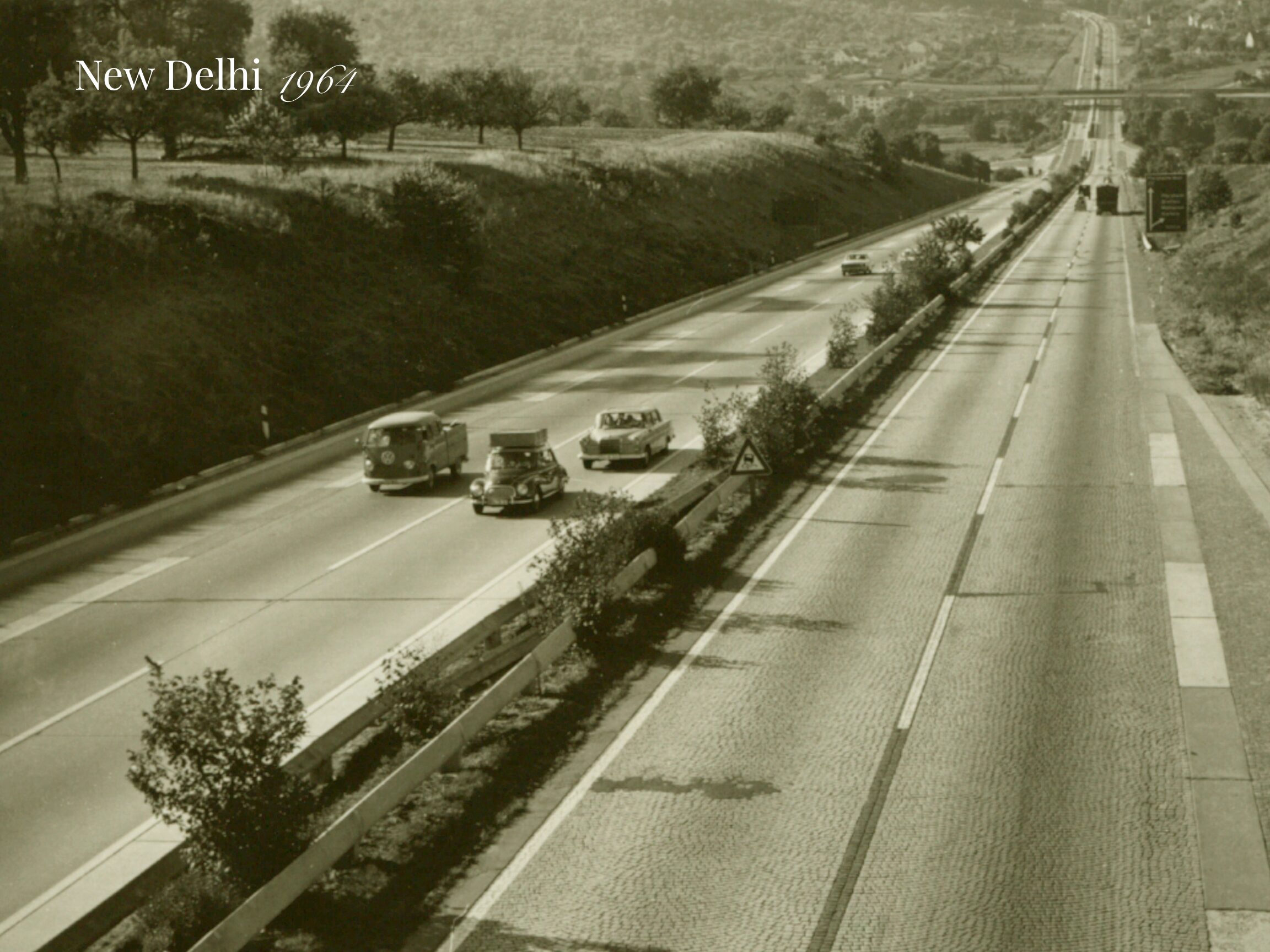

India after sixty years- New Delhi road scene in 1960 with old cars, sparse traffic, and early urban infrastructure.

I have been traveling in and out of India since 1967.

That is a long time to watch a country breathe, stumble, rise, change its clothes, change its language, change its ambitions, and sometimes lose pieces of itself along the way.

I do not write this as a tourist passing judgment after one bad taxi ride or one disappointing hotel stay. I write this as someone who has returned to India for nearly sixty years, through different decades, different political moods, different economic promises, and different national dreams.

American woman and Indian woman in a simple hut in India in 1975 offering incense into an Agni flame during prayer.

Spiritual India- 1960 to 1980

In the 1970s and 1980s, India had a soul that one could feel almost immediately upon landing. It was not wealth. It was not efficiency. It was certainly not comfort in the Western sense. But it had a spiritual gravity. It drew people from America, Britain, Germany, Holland, France, Australia, and elsewhere. They came not merely to see monuments. They came because India had an inwardness, a mystery, a vibration that the West did not have.

The great hotels reflected this. The Oberois, the Taj hotels, the Sheratons, the Hyatts, the Marriotts — they were full of foreign visitors. Businessmen, seekers, diplomats, scholars, doctors, engineers, writers, eccentrics, and adventurers. The lobbies were alive with accents. Breakfast rooms were full of Europeans and Americans unfolding newspapers, making plans, talking softly over tea, toast, fruit, and eggs.

India was not easy, but it was compelling.

Software India- 2000 to 2020

By the early 2000s, that spiritual energy had changed. India was no longer selling itself primarily as a civilization of inward wisdom. It had become a country of software, call centers, outsourcing, engineering degrees, entrepreneurial hunger, and high-tech ambition. The old spiritual India had not disappeared completely, but it had been overtaken by a new mood — frenzied, caffeinated, impatient, and ambitious.

Even then, the foreign presence remained. As late as the early 2000s, I remember hotels such as the Maurya Sheraton in New Delhi and the Taj Coromandel in Madras being filled with foreign guests. India still had pull. It still mattered to outsiders. It still felt like a country the world wanted to visit, understand, and engage with.

Three young Indian programmers meeting in a conference room in Bangalore in 2018.

2026

System Failure

This is 2026.

On this trip, I have stayed at the Hyatt Regency in Chennai, the Lalit in Goa, the ITC Maurya in Delhi, a luxury camp near Corbett National Park, the JW Marriott in Bangalore, and again at the Hyatt Regency in Chennai. I have spent nearly a month in these hotels and lodges across India.

I have not seen a single American, British, or European visitor.

I saw three South Korean businessmen. That was it.

This is India after sixty years.

The lobbies, restaurants, elevators, breakfast rooms, and hotel corridors are filled almost entirely with local Indian guests. There is nothing wrong with Indian guests, of course. India’s own middle and upper classes have every right to occupy and enjoy their country’s best hotels.

But the absence of Western visitors is striking. To someone who has watched India for six decades, it is not a small detail. It is a signal about India after sixty years.

Countries do not merely decline when their roads crack or their phones lose signal.

They decline when the world quietly stops showing up.

I am currently in downtown Bangalore, staying at the JW Marriott — in the center of what is supposed to be India’s high-tech capital. Yet I could not complete a Speedtest. The test failed. I was told to repeatedly check my internet connection and try again. This was not in a village. This was not in a remote hill station. This was central Bangalore, in a luxury hotel, in the capital of Indian technology.

I have an Airtel 5G SIM in my iPhone. I have rarely seen anything that felt like real 5G in India. Often, while driving through New Delhi and Bangalore, I had no signal at all.

This is India after sixty years.

Speedtest app error showing failed internet test at JW Marriott in Bangalore.

Traffic Logjam in Bangalore

The journey from the Bangalore airport to the hotel took one hour and thirty-five minutes.

The distance was about eighteen miles.

Traffic was not merely heavy. It was oppressive. It did not feel like the congestion of a thriving city temporarily overwhelmed by growth.

It felt like a system that had given up trying to organize itself. This is India after sixty years.

traffic logjam 1 - Dr. Bomi Joseph
Standstill traffic jam on a crowded road in Bangalore with a bus pressed against our car.

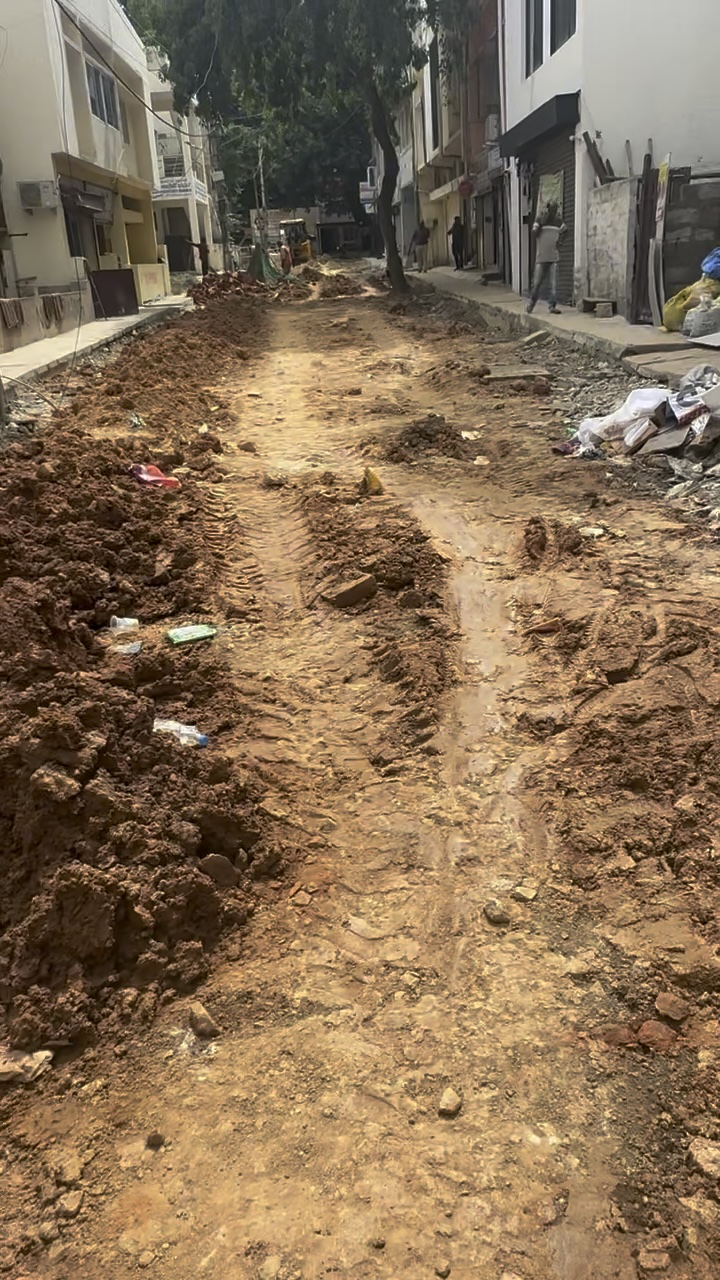
Road in Domlur, Bangalore- in Front of BBMP Office

The roads were worse. I took videos from the car. Some roads had ruts so deep that water had pooled in them. In some places, the pooled water was stagnant enough to breed mosquitoes. Many side roads in Bangalore did not resemble roads at all. They resembled neglected construction zones through which citizens had been forced to improvise daily passage.

rut-domlur-road
Dug-up muddy road with deep ruts in Domlur, a central area of Bangalore.

And yet Bangalore is still spoken of as a high-tech city.

This is where the contradiction becomes impossible to ignore.

High technology is not a slogan. It is not a software campus behind a guarded gate. It is not a television anchor shouting about national greatness. High technology requires systems: roads, power, water, sanitation, punctuality, telecom reliability, logistics, civic behavior, maintenance, and truthfulness. Without these, a country can have brilliant individuals and still fail as a society.

The decline I saw was not only physical. It was also behavioral.

I am traveling with my six-year-old son. In airports and public spaces, people pushed, shoved, elbowed, and cut across him as if a small child were merely an obstacle.

I had to stay alert constantly. I had to snap, raise my voice, and be ready to physically protect him.

There seems to be little concept of waiting in line. Too often, the rule is simple: whoever pushes first gets served first. Politeness is interpreted as weakness. Standing patiently is treated as invisibility.

What I saw was a collapse of civic regard.

People urinated openly on streets and sidewalks. Men spat, cleared their noses, and wiped their fingers on public walls. On the beach, I saw women defecate in the open while modestly covering their faces with their saris.

The contradiction was unforgettable: the face was protected from shame, while the public space was not protected from violation.

Hotel Lalit June 2026 1 - Dr. Bomi Joseph

At the Lalit hotel counter in Goa, I stood alone in front of three staff members. They looked down, pretended to be occupied with papers and screens, and ignored me. Then another guest pushed past me and spoke in Hindi. He was served immediately. Then another person came. Then another. I finally asked for the manager and explained that a person standing politely at the counter is not a decorative object. He is a guest waiting to be helped.

The staff looked surprised — not ashamed, surprised.

That is the problem.

When basic order disappears, disorder begins to feel normal. When disorder feels normal, excellence becomes impossible.

Indian hotels were once known for extraordinary service.

In the 1980s, 1990s, and early 2000s, hotel management in India had prestige. The service in the great hotels could be superb — attentive, graceful, disciplined, and warm. On this trip, I saw a different country. There were exceptions, of course, and some individuals were kind and capable. But the general trend was unmistakable: service has declined.

There seems to be little concept of waiting in line.

Too often, the rule is simple: whoever pushes first gets served first.

Politeness is interpreted as weakness.

Standing patiently is treated as invisibility.

At the JW Marriott in Bangalore, I had paid for breakfast with the room. I was told breakfast began at 7 a.m. I arrived at 7:15. The chefs who made pancakes, eggs, dosa, and other cooked items wandered in much later.

At the Lalit in Goa, signs and digital displays advertised a restaurant called “Mango” and promoted mango dishes. But at the Mango restaurant, there were no mangoes. Not one. Not during the four days I was there.

These details may sound small. They are not small. 

Civilization is made of small promises kept repeatedly.

Promises - Dr. Bomi Joseph

Breakfast starts at 7 means breakfast starts at 7.
A restaurant advertising mangoes should have mangoes.
A line should be a line.
A road should be a road.
A 5G signal should work in a high-tech capital.
A six-year-old child should not be shoved aside by adults.

These are not luxuries. These are the daily disciplines of a functioning society.

The mood of India also feels different. 

In earlier decades, even when India was poor, there was warmth, humor, and a certain philosophical ease. 

Later, during the software boom years, there was nervous ambition, but also energy and possibility. 

Now the mood feels glum, defensive, and strangely brittle.

More than once, Indian friends warned me not to criticize India publicly. They said people would attack me. Not debate me. Attack me. That alone says something important about India after sixty years. A confident civilization can tolerate criticism. A frightened one treats criticism as treason.

The loudest television channels do not help.

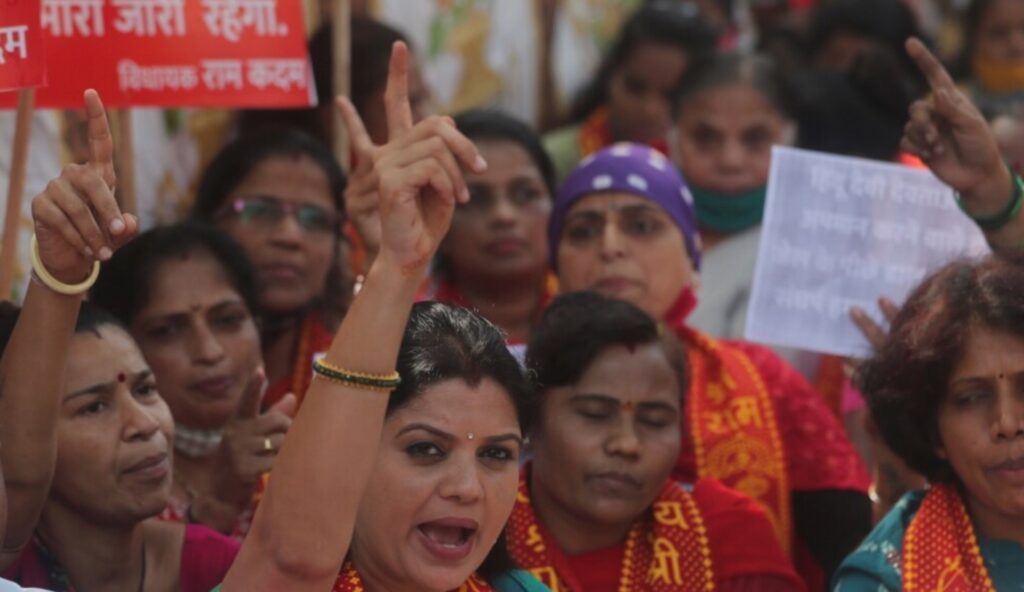
India after sixty years - women at a BJP political rally in India holding signs and shouting slogans.

The shouting, the anti-Western posturing, the constant self-congratulation, the glorification of past and present greatness — all of it creates an atmosphere of national intoxication.

It is difficult for a country to improve when it is forbidden to describe accurately what is broken.

India Has Incredible Talent

Manufacturing and Exports are Weak

The tragedy is that India has immense talent. I have never doubted that. India has intelligence, memory, spirituality, linguistic range, scientific ability, mathematical genius, and entrepreneurial instinct. But talent alone does not build a nation. A nation is built by systems. A nation is built by habits. A nation is built by truth.

This is where my concern about merchandise exports enters the picture — not as the main story, but as a confirming signal. I am not speaking here about software income or outsourcing revenue. I am speaking about what a country physically manufactures and sells to the world: chips, electronics, high-tech goods, precision products, advanced machinery, and other merchandise that reveals the depth of an industrial base. By that measure, India’s position remains far weaker than its rhetoric suggests.

India ranks approximately 19th–23rd among the world’s exporters of high-technology goods, automobiles, and steel combined (2024, WIPO/Trade Data Monitor, ITC Trade Map, UN Comtrade).

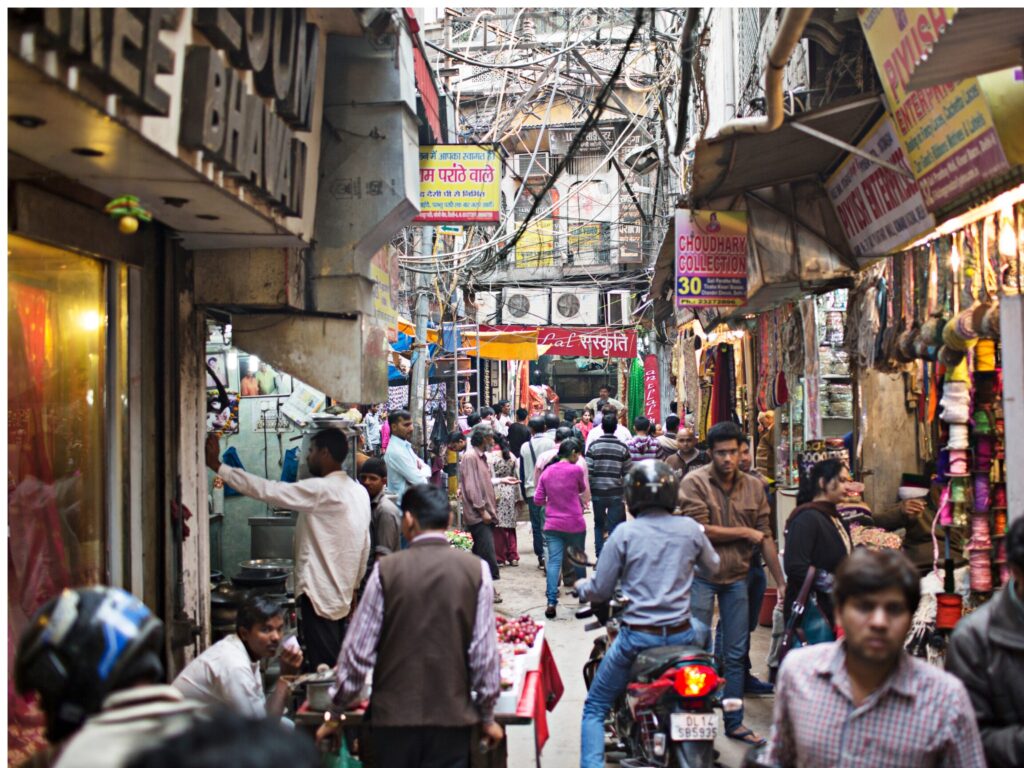
Busy side street shopping area in Delhi with pedestrians, small shops, vehicles, and uneven street conditions.
Side Street Shopping in New Delhi
South Korea built systems. India built arguments.
text quotes - Dr. Bomi Joseph
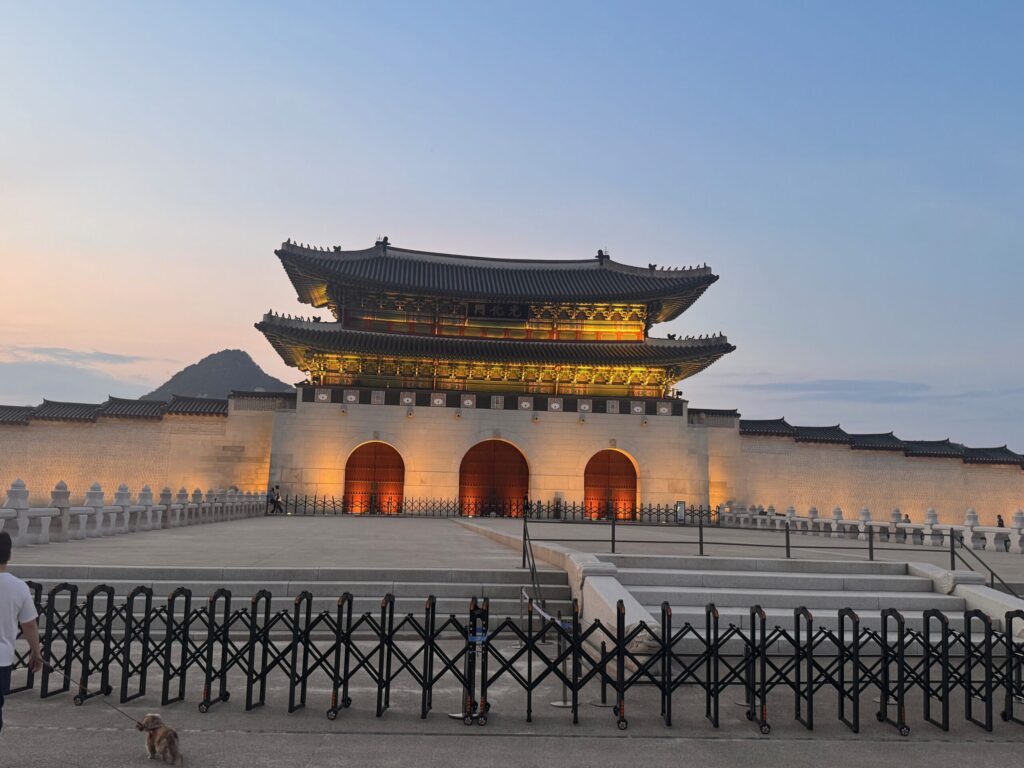
Gyeongbokgung Palace in Seoul with clean grounds, restored architecture, and well-maintained palace courtyards.
Gyeongbokgung Palace, Seoul

Seoul vs Delhi Today

Clean side street shopping area in Seoul with pedestrians, storefronts, orderly sidewalks, and modern urban infrastructure.
Side Street Shopping in Seoul
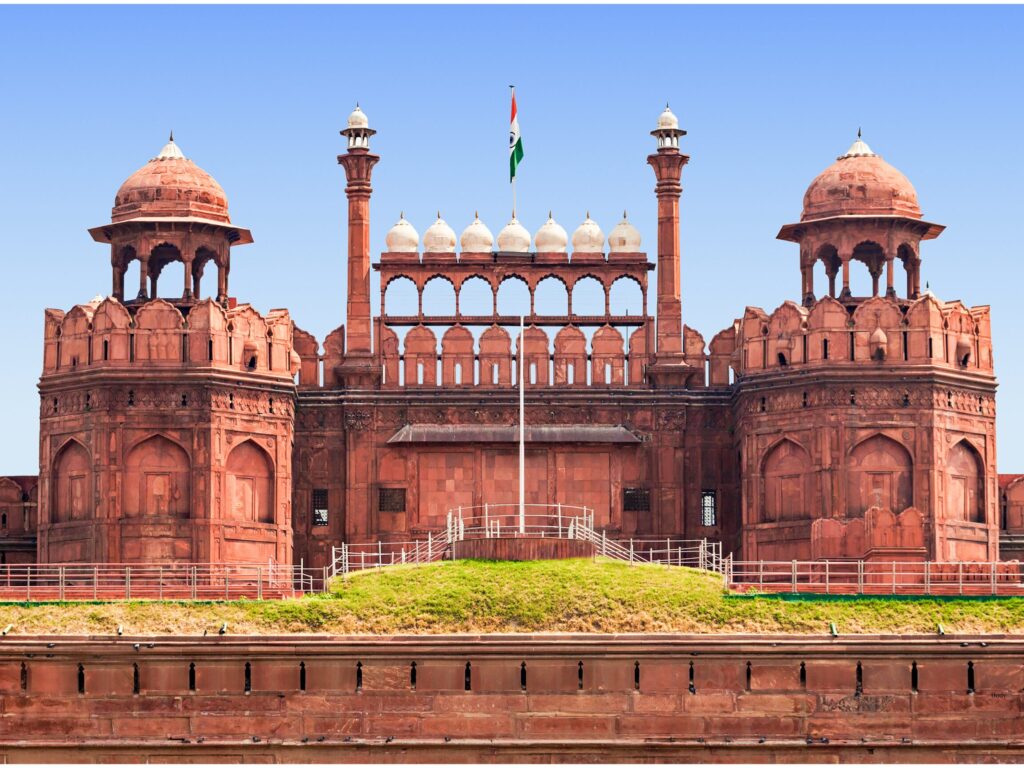
Red Fort in Delhi with red sandstone walls, open grounds, patchy grass, and visible signs of wear.
Red Fort, Delhi

That matters because the future will not be won by slogans. It will be won by countries that can make things, move things, maintain things, and improve things.

When I compare India with South Korea, the contrast is painful. I visited Seoul and New Delhi in 1976. At that time, New Delhi felt grander and more advanced. Today, Seoul is a world-class capital. India after sixty years feels battered, chaotic, and exhausted.

That did not happen by accident.

At the JW Marriott in Bangalore, I could not get a reliable Wi-Fi connection. At the Walkerhill Hotel in Seoul, I got 500 to 600 megabits per second throughout the hotel.

That contrast says more than any government slogan. One city talks endlessly about being high-tech. The other simply works.

South Korea built systems. India built arguments.

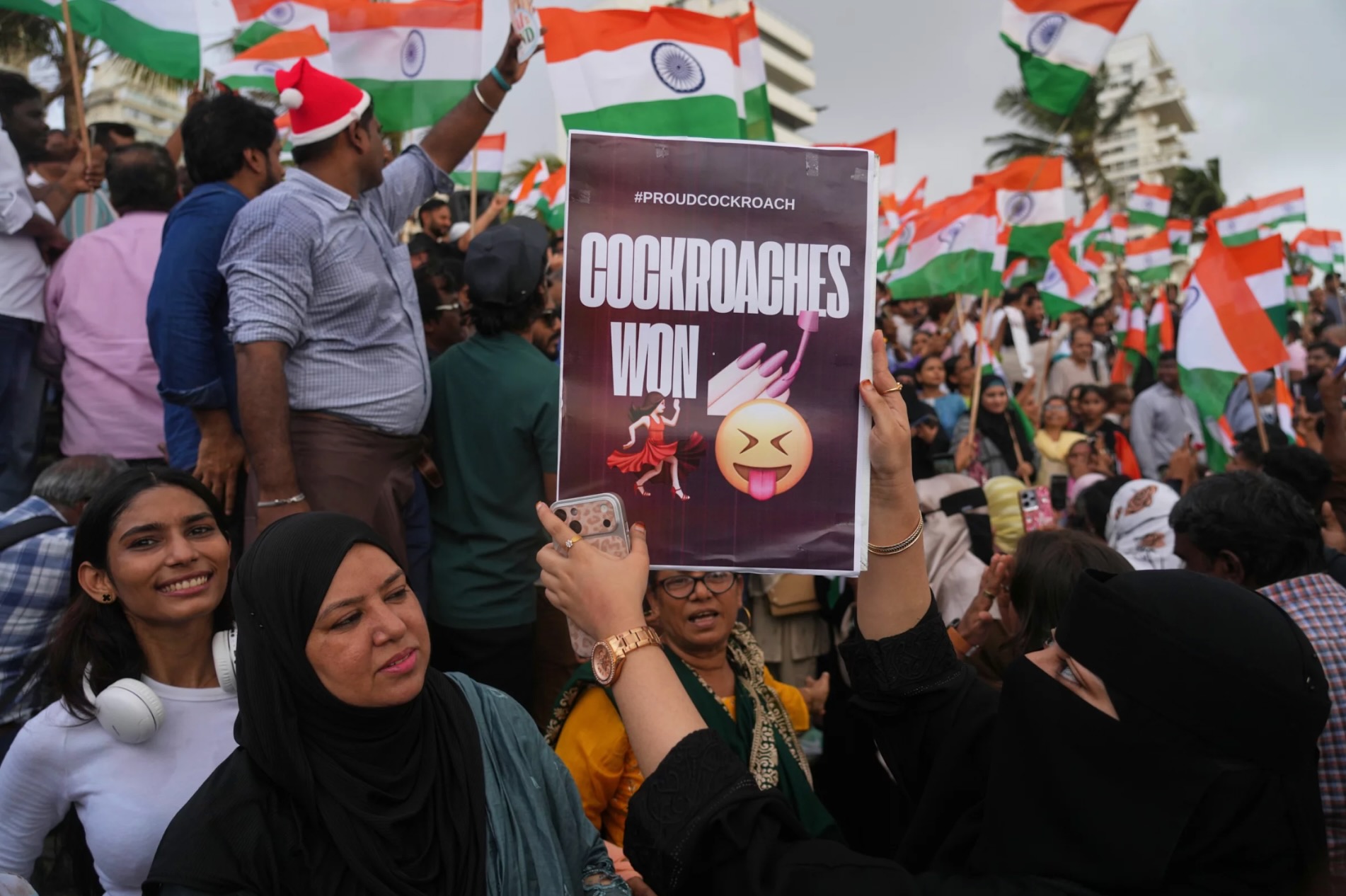
Cockroaches Won!

Cockroach Janta Party supporter shouting slogans during youth protests at Jantar Mantar in New Delhi.

After nearly sixty years of visiting India, I no longer ask whether India has potential. Of course it has potential. It has always had potential. The harder question is whether India can tell itself the truth long enough to fulfill that potential.

I wrote these observations shortly before leaving India on July 5 2026. Within weeks, student protests began flaring across the country over examination scandals, corruption, unemployment and the broader failure of institutions that young Indians are expected to trust. That timing matters. What I saw in airports, hotels, roads and public spaces was not separate from what these students are now expressing in the streets. It was the same disorder seen from another angle.

The young are no longer merely inheriting India’s promises. They are colliding with its systems that are failing.

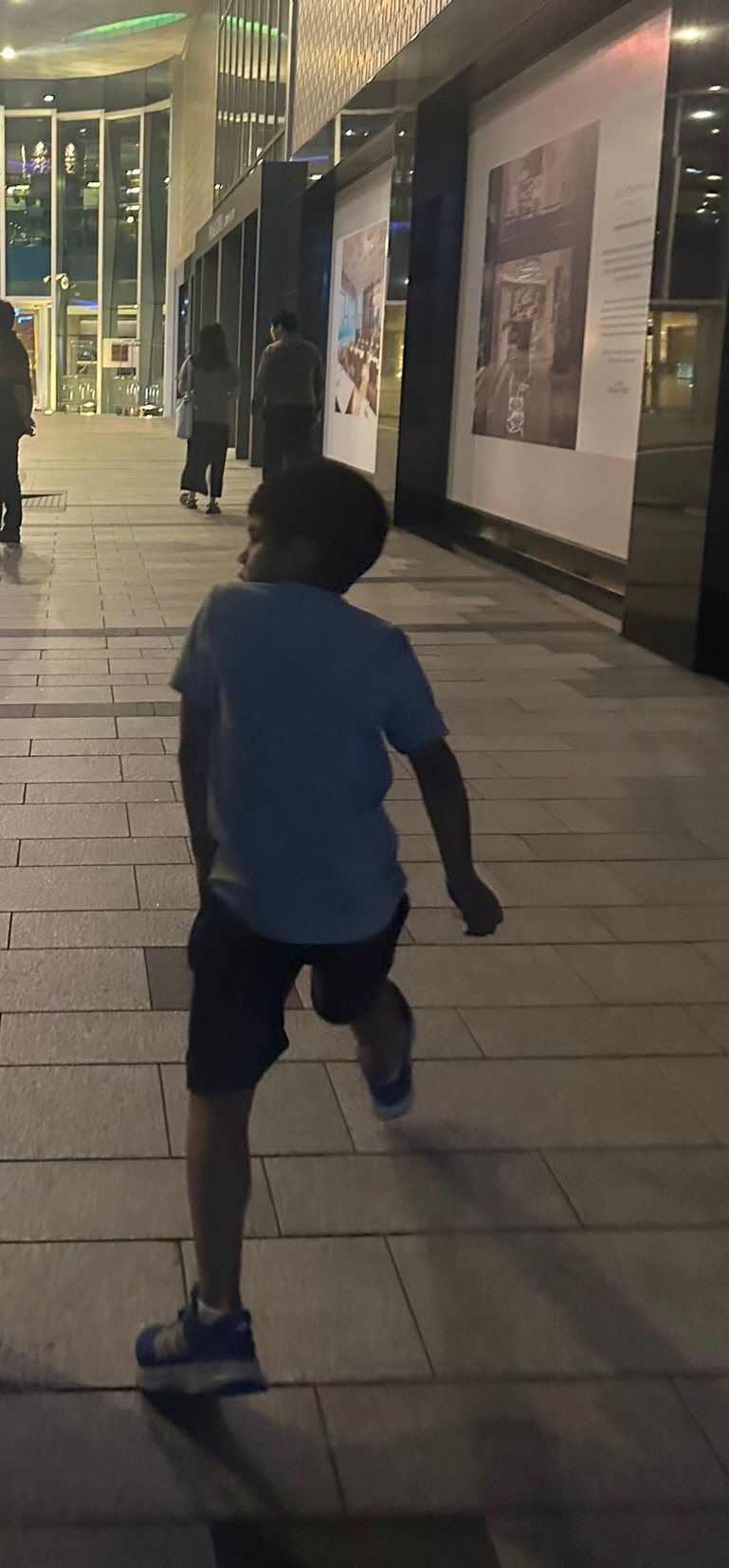
Young boy cheerfully skipping on a clean city street in Seoul.

“I don’t want to come back to India.”

The India I first knew had soul.
The India of the early 2000s had software energy.
The India I see now has system failure.

That sentence gives me no pleasure. I write it with sadness, not contempt.

The most painful judgment did not come from me. It came from my six-year-old son.

After being shoved, delayed, exhausted by traffic, and dragged through a country that seemed unable to make basic things work, he said simply:

“I don’t want to come back to India.”

That should break India’s heart.

It breaks mine.

Ask DrBomi® About Health

Educational guidance only. Not medical advice. 0 / 240